
Recent Articles
How to Choose the Right Cylindrical Grinding Wheel for Precision Applications?
2026-03-18
Introduction: Why Choosing the Right Cylindrical Grinding Wheel Matters
In precision machining, selecting the correct cylindrical grinding wheel is critical to achieving tight tolerances, stable surface finish, and long-term production consistency. The grinding wheel is not just a consumable—it directly influences cutting performance, heat generation, and final part quality.
For industries such as aerospace, automotive, tooling, and semiconductor manufacturing, even minor deviations in grinding performance can lead to dimensional errors or surface damage.
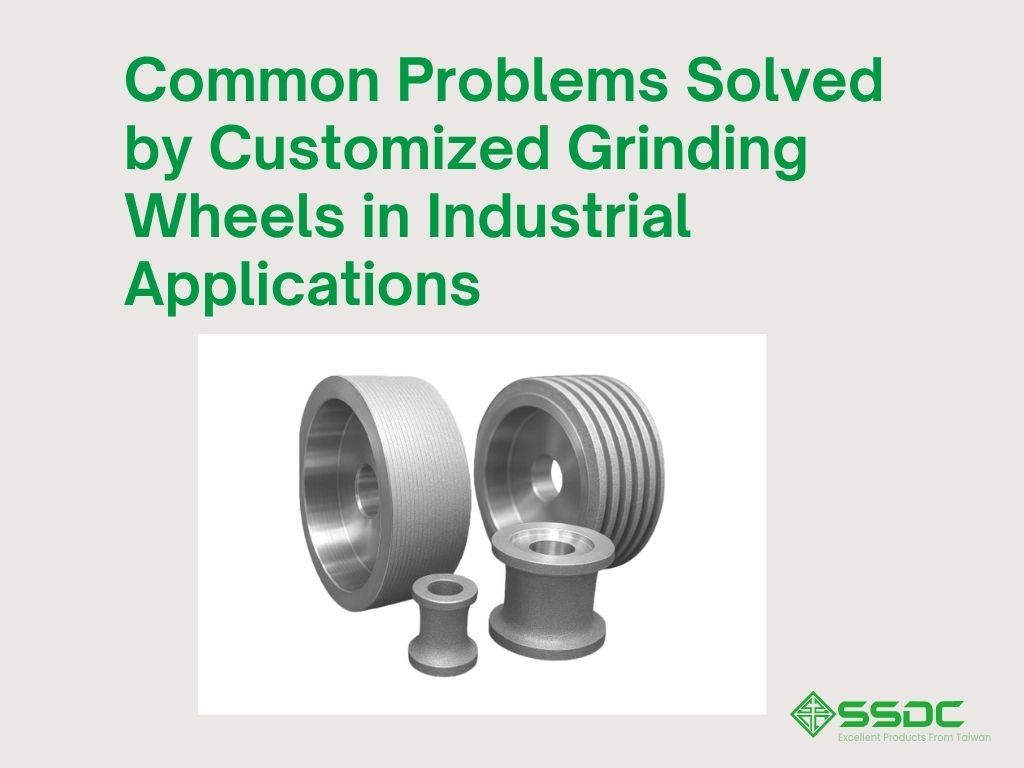
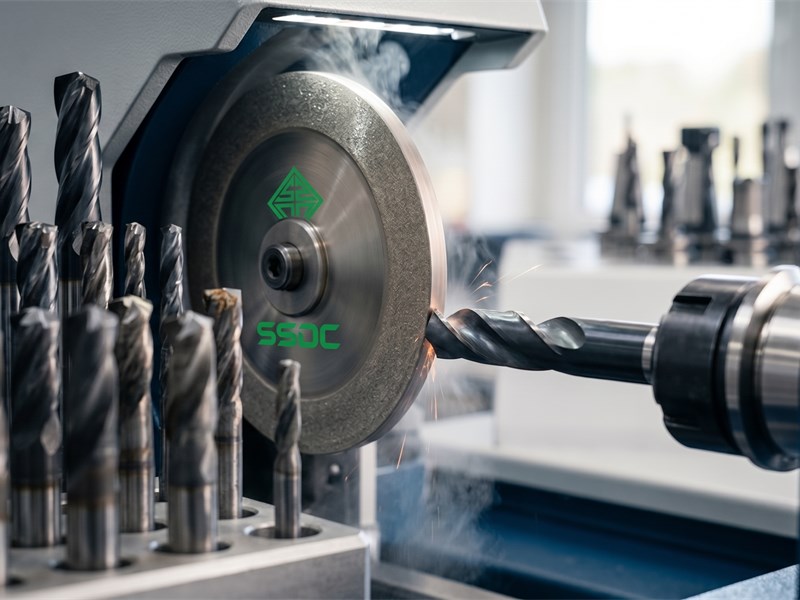
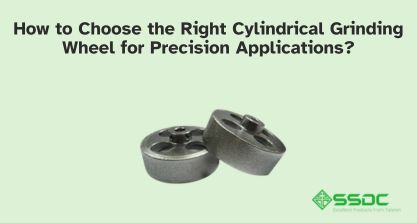
At Sea Shore Diamond Industrial Co., Ltd. (SSDC), our cylindrical grinding wheels are engineered using advanced electroplating technology, designed specifically for high-precision external and internal grinding of shafts, rods, and complex components made from hard and difficult-to-machine materials.
This guide will help you understand how to choose the right cylindrical grinding wheel based on real-world application needs.
Understanding Cylindrical Grinding Applications
Cylindrical grinding is typically divided into:
- External cylindrical grinding (OD grinding) – for shafts, rollers, and precision cylindrical surfaces
- Internal cylindrical grinding (ID grinding) – for bores, inner diameters, and cavities
Each process requires different wheel dimensions, rigidity, and cutting behavior. Internal grinding often involves smaller tools at higher speeds, while external grinding prioritizes stability and consistency.
Key Factors When Selecting a Cylindrical Grinding Wheel
1. Workpiece Material
Material type determines whether diamond or CBN abrasives should be used.
- Diamond grinding wheels are ideal for non-ferrous and brittle materials such as carbide, ceramics, quartz, glass, and semiconductor materials
- CBN grinding wheels are better suited for hardened steels, tool steels, and superalloys due to their superior thermal stability
SSDC’s electroplated solutions are designed to match these material requirements, ensuring optimal cutting performance and minimal thermal damage.
2. Abrasive Structure: Electroplated Advantage
One of the most important differentiators in cylindrical grinding wheels is the abrasive structure.
SSDC cylindrical grinding wheels use an electroplated (galvanic) bonding process, which creates a single-layer abrasive structure with high grain protrusion.
This provides several critical advantages:
- Sharp and fully exposed cutting edges
- High material removal rate (MRR)
- Reduced grinding resistance
- Lower heat generation
- Excellent chip evacuation
Unlike conventional multi-layer wheels, electroplated wheels do not require dressing or truing, reducing machine downtime and setup cost.
3. Grain Size and Surface Finish
The grit size plays a key role in balancing efficiency and surface quality.
- Coarse grit → higher removal rate, rougher finish
- Fine grit → smoother surface, higher precision
For applications requiring low surface roughness (Ra) and tight tolerances, fine grit electroplated wheels provide consistent and stable cutting performance due to uniform grain exposure.
4. Machine Conditions and Stability
Grinding performance depends heavily on machine conditions:
- Spindle speed (RPM)
- Feed rate
- Coolant system
- Machine rigidity
SSDC cylindrical grinding wheels are built on precision-machined steel cores, ensuring high rigidity and stable operation even in high-speed grinding environments.
This stability helps reduce vibration, improve accuracy, and maintain consistent grinding results.
5. Precision and Application Requirements
In high-end industries, grinding requirements go beyond basic machining:
- Roundness and cylindricity
- Surface roughness (Ra)
- Thermal damage control
- Edge integrity, especially for brittle materials
Thanks to the uniform abrasive distribution and high protrusion design, SSDC electroplated cylindrical grinding wheels provide predictable and repeatable performance, making them ideal for precision-critical applications.
Recommended Abrasive Selection by Material
| Workpiece Material | Recommended Abrasive | Selection Notes |
|---|---|---|
| Hardened steel | CBN | Excellent heat resistance and stable wear performance |
| Tool steel / superalloys | CBN | Suitable for demanding cylindrical grinding conditions |
| Carbide | Diamond | High hardness requires sharp, durable abrasive exposure |
| Ceramics | Diamond | Helps reduce chipping in brittle materials |
| Glass / quartz | Diamond | Low cutting force and sharp grain exposure are essential |
| Semiconductor materials | Diamond | Supports precision grinding with controlled surface quality |
Why Electroplated Cylindrical Grinding Wheels Are Ideal for Precision Work
Electroplated cylindrical grinding wheels offer unique advantages for modern manufacturing:
- Consistent sharp cutting edges
- Reduced grinding force and heat
- Excellent dimensional control
- No dressing required
- Superior form retention for complex geometries
These characteristics make them especially suitable for:
- Carbide tool grinding
- Semiconductor wafer processing
- Ceramic and glass machining
- Automotive and aerospace precision parts
Why Manufacturers Choose SSDC Cylindrical Grinding Wheels
SSDC provides high-performance cylindrical grinding wheels tailored to demanding industrial applications.
Our solutions feature:
- Advanced electroplating technology
- Diamond and CBN abrasive options
- High grain protrusion for efficient cutting
- Strong bonding for stable performance
- Customizable wheel design for specific applications
Our products are widely used across industries such as tooling, aerospace, automotive, advanced ceramics, and semiconductor manufacturing, where precision and reliability are critical.
FAQ: Cylindrical Grinding Wheel Selection
Q1: What is the best cylindrical grinding wheel for hardened steel?
CBN grinding wheels are the best choice for hardened steel due to their high heat resistance and durability.
Q2: Why are electroplated grinding wheels more precise?
Because they use a single-layer abrasive structure with uniform grain exposure, resulting in more consistent cutting and better dimensional control.
Q3: Do electroplated cylindrical grinding wheels require dressing?
No. One of their main advantages is that they do not require dressing or truing, reducing setup time and improving efficiency.
Q4: Can SSDC provide customized cylindrical grinding wheels?
Yes. SSDC offers customized solutions based on material, geometry, and machine conditions.
Conclusion: Selecting the Right Wheel for Optimal Performance
Choosing the right cylindrical grinding wheel is essential for achieving high precision, stable quality, and efficient production.
By considering material type, abrasive structure, grit size, and machine conditions, manufacturers can significantly improve grinding performance and reduce operational costs.
At SSDC, we combine advanced electroplating technology with application-specific design to deliver reliable, high-performance grinding solutions.
If you are looking for precision cylindrical grinding wheels tailored to your application, SSDC is ready to support your next project.